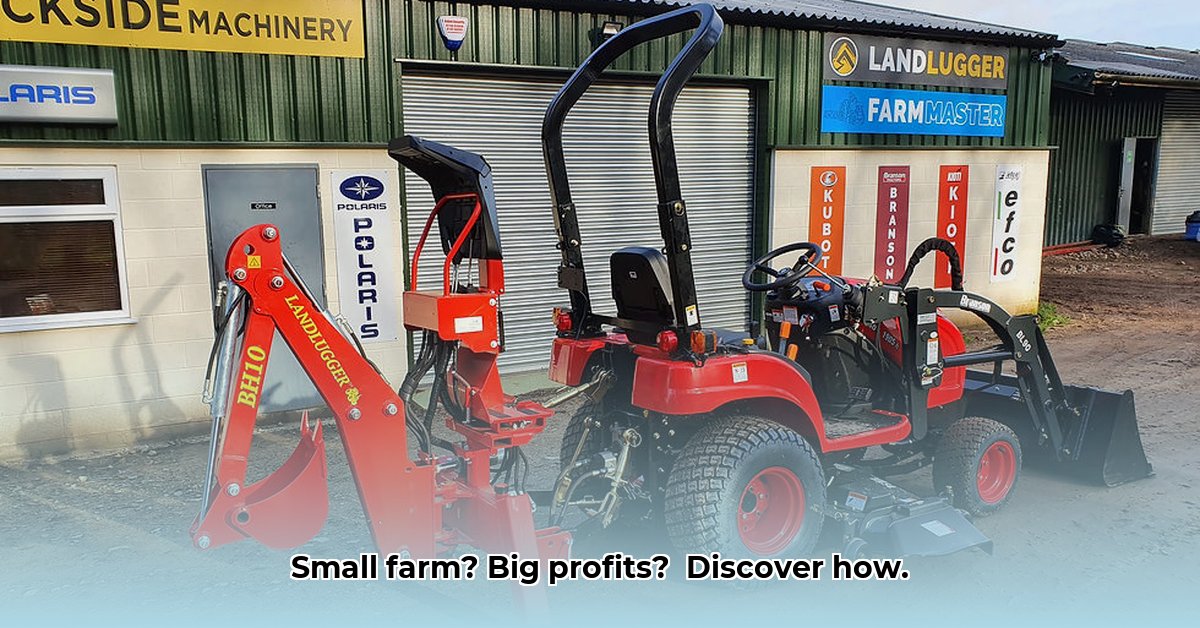
Finding the right equipment without breaking the bank is a major challenge for many small farmers committed to sustainable practices. Fortunately, inexpensive tractors offer a viable solution, bridging the gap between profitability and environmental responsibility. But choosing wisely requires careful consideration. This article provides a comprehensive guide to help you navigate the process, empowering you to make the best investment for your farm's future. For information on tractor maintenance, check out this helpful resource on tractor hydraulic oil.
Inexpensive Tractors: Your Path to Sustainable Farming Success
The initial purchase price of a tractor is only one element of the overall cost. Ongoing expenses like maintenance, repairs, and fuel significantly impact the total cost of ownership (TCO). While a low sticker price might be tempting, a slightly more expensive, reliable model could save you money in the long run by minimizing downtime and unexpected repair bills. This careful calculation of TCO ensures that long-term savings outweigh any initial price difference.
Fuel Efficiency: Double Savings for Your Wallet and the Planet
Smaller, more affordable tractors often boast superior fuel efficiency compared to larger models, translating to significant cost savings over time. This directly boosts your profitability—less fuel expenditure means more profit. Moreover, reduced fuel consumption contributes to lower greenhouse gas emissions, benefiting the environment. It's a double win: financial gain and reduced environmental impact. But are you prepared to commit to the necessary regular maintenance to sustain this fuel efficiency?
Beyond the Price Tag: Understanding the True Cost of Ownership
Don't let a low purchase price blind you to potential hidden costs. A thorough assessment of maintenance needs, typical repair expenses, and average fuel consumption for the model you are considering is crucial. Expert advice from established farmers or agricultural professionals can provide valuable insights into the long-term cost implications of various models. Thorough research and planning will help you avoid unexpected expenses in the future.
Finding Your Perfect Tractor: A Step-by-Step Guide
Choosing the right tractor hinges on your specific farming needs. Consider factors such as the size of your land, the types of crops you cultivate, and the unique characteristics of your terrain. This tailored approach will ensure that you invest in a tractor with the optimal features and capabilities, minimizing unnecessary expenditures.
Here's a practical, step-by-step approach:
- Assess your land: Carefully evaluate your farm's size, terrain (hills, flatlands, etc.), and soil type. This will help you determine the required tractor size and power.
- Define your needs: List all the tasks your tractor will perform (tillage, planting, harvesting, etc.). This will influence the necessary features and attachments.
- Research models: Compare various models, meticulously reviewing specifications, features, and user reviews. Utilize online resources, forums, and agricultural publications.
- Seek expert advice: Consult experienced farmers and agricultural professionals for insights based on their real-world experiences.
- Explore financing: Investigate various financing options, including loans, leasing, or purchasing a used tractor, to find the most suitable choice.
Maintaining Your Investment: Preventative Care for Long-Term Success
Regular maintenance is paramount for extending your tractor's lifespan and maximizing your return on investment. Think of it as preventative maintenance—addressing minor issues promptly prevents them from escalating into major, costly repairs. A comprehensive maintenance schedule comprising oil changes, filter replacements, and routine inspections will keep your tractor running efficiently and reliably. Regular servicing ensures that your tractor remains a reliable partner in your farming endeavors.
Sustainable Farming Practices with Inexpensive Tractors
Inexpensive tractors can significantly contribute to sustainable farming practices. Their often lighter weight minimizes soil compaction compared to larger models, promoting soil health, reducing erosion, and improving water retention. When combined with precision farming techniques such as GPS-guided planting and application, these tractors enable more efficient resource management, minimizing waste and maximizing yields. This efficient and eco-friendly approach aligns with the principles of sustainable agriculture. The reduced environmental impact combined with the cost savings directly benefits the farmer and the environment.
Weighing the Pros and Cons: Making an Informed Decision
Let’s analyze the advantages and disadvantages of purchasing an inexpensive tractor:
| Feature | Pros | Cons |
|---|---|---|
| Initial Cost | Significantly lower upfront investment, increased accessibility for farmers. | May necessitate more frequent maintenance and repairs. |
| Fuel Efficiency | Lower fuel consumption, reducing operational expenses and environmental impact. | Lower horsepower might limit productivity for extensive tasks. |
| Maintenance | Regular maintenance crucial for longevity and ROI. | Repairs can be costly, especially for older models. |
| Versatility | Adaptable to various small-scale farming tasks. | Limited capabilities for large-scale operations or heavy-duty jobs. |
| Environmental Impact | Lower fuel consumption contributes to a smaller carbon footprint. | Overall environmental impact depends on proper maintenance and usage. |
Remember, the optimal budget-friendly tractor is the one that perfectly aligns with your specific needs and financial constraints. Don't hesitate to seek guidance from experienced colleagues and agricultural professionals. With meticulous planning and suitable equipment, you can develop a thriving and sustainable farm.